


Choose natural!
About vinegar
What is the difference between vinegar and acetic acid, what can a real, fermented fruit vinegar do in the kitchen, and what does research say about it? Here are the essentials.
Why does nobody talk about vinegar?
Vinegar is one of the oldest seasonings in the kitchen, yet it has been unfairly pushed into the background. One reason is that in Hungary most people lump together acetic acid made from petrochemicals and natural vinegars made by fermentation. Anyone who only knows sharp, pungent acetic acid will understandably turn away and never give a really good vinegar a chance.
Yet a carefully made fruit vinegar can do something entirely different:
- just a few drops are a true flavour concentrate,
- mixed with water it is a refreshing drink and an exciting ingredient in cocktails,
- in a marinade it makes meat softer and more tender,
- it rounds off the flavour of soups and vegetable stews,
- it preserves naturally in jams and pickles,
- and it brings out surprising flavours in desserts too.

The true face of vinegar
In most European countries a clear distinction is made between natural and industrial vinegars: the former is used for cooking, salads and seasoning, the latter mainly for cleaning. In several countries chemically produced acetic acid may not even be sold as food. In Hungary, however, acetic acid in the familiar green bottle accounts for roughly 95% of all vinegar consumed.
Wine vinegar production in Europe (per year)
- Spain
- Italy
- Greece
- Romania
- Hungary
Source: publication of the Hungarian Association of Wine and Fruit Vinegar Producers
Three main groups
Industrial acetic acid
A petrochemical product: synthetic acetic acid of about 98% is diluted to 10–20%. This is the familiar "vinegar" in the green bottle.
Spirit vinegar
Vinegar fermented from industrial, mostly grain-based alcohol. It is made naturally, but its taste is neutral.
Fruit vinegars
Made by fermenting fruit, they retain the nutrients of the raw material. This group includes cider vinegars, wine vinegars, balsamic vinegars and specialities, which ideally mature for months or even years.
Carefully made natural vinegars open up a whole new world in the kitchen.
Vinegar in the kitchen
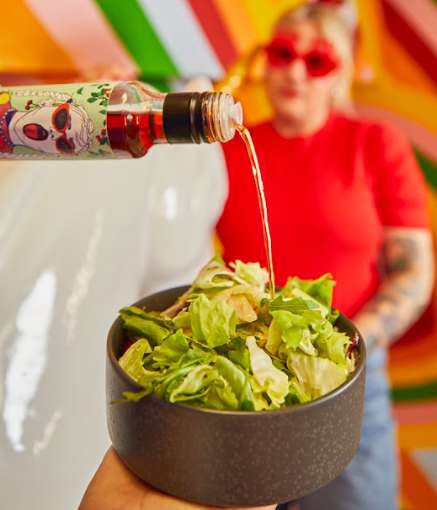
For salads
The best-known use of vinegar: as a dressing for salad or fresh fruit. Use it on its own or as a vinaigrette with cold-pressed oil and herbs.
Details
Vinegar to oil ratio for vinaigrette
- Cider vinegar1 : 2
- Wine vinegar1 : 3
- Fruit balsamic vinegar1 : 1
Whisk the vinegar, oil and seasoning with a spoon until the colour starts to lighten. Add half a portion of mustard if you like. Balsamic vinegars also work perfectly on their own. The fruit acids in vinegar bring out flavour even in less ripe vegetables and fruit.

For meat and fish
For tender meat, add wine or balsamic vinegar to the marinade. It works especially well with chicken breast, which dries out easily: after a few hours of resting, the meat is prepared and stays soft after cooking.
Details
The fruit must in balsamic vinegar caramelises on the meat as it cooks, so no extra sugar is needed. Always keep marinated meat in the fridge; in a well-sealed bag it is easy to massage in the marinade. For containers, choose stainless steel, glass or ceramic. Marinate fish for 30–60 minutes, depending on its thickness.
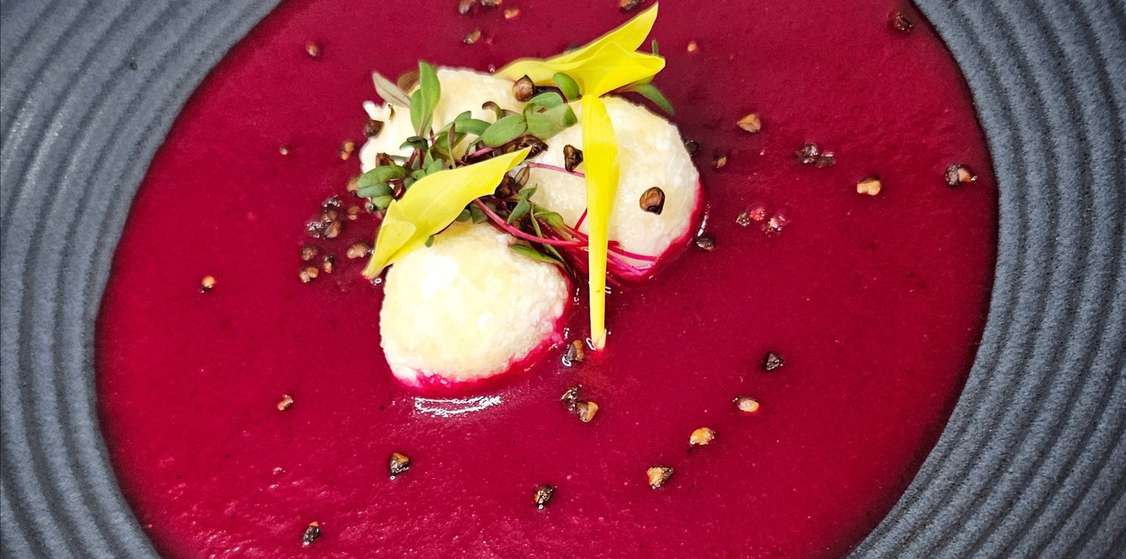
For soups and stews
Essential in ragout soups, bean soup, egg soup or Hungarian vegetable stews made with marrow, lentils or green beans. The key: use it as a seasoning and add it to the finished dish, one or two tablespoons depending on the amount.
Details
It is like salt: without it the dish tastes flat, too much and it overpowers the flavours. Better to add a little at a time and taste as you go. Used well, the subtle sourness in the background completes the harmony of flavours.

For desserts
The acidity of balsamic vinegar balances sweetness and lifts the flavours: chocolate tastes more chocolatey, fruit more fruity.
Details
Add a teaspoon to dessert creams, sauces or chocolate, or drizzle a few drops over ice cream. Add only as much as you can just taste.

For preserving and pickling
With wine vinegar you can preserve the flavours of summer naturally for winter. Use naturally fermented wine vinegar for the pickling liquid.
Details
The preserving method depends on the pH of the vegetable or fruit. Fruit is usually more acidic, but most vegetables have a pH above 5, so extra care is needed. Pasteurising at a minimum of 100 °C is important. Wine vinegar lowers the pH, so other preservatives can be avoided.
Sterilising: wash jars and lids in hot soapy water, rinse, then keep them in an oven at 100 °C for 20 minutes or boil them in a pot for 10 minutes.

A refreshing drink
One of the simplest yet almost untapped uses of balsamic vinegar. More and more people start their day with it.
Details
- Pour a glass of water (sparkling, lightly sparkling or still).
- Add two tablespoons of your favourite fruit balsamic vinegar.
- Stir, and your refreshing drink is ready.

Homemade pickles without additives
- Vegetables
- Cucumbers (bitter ends cut off), unripe green tomatoes, cauliflower, small green melons, pattypan squash, pearl onions, shredded cabbage, cheese peppers, sweet peppers, carrots, beetroot, baby corn.
- Pickling liquid
- 6% wine vinegar or herb vinegar (tarragon, thyme); twice as much water as vinegar; 40–50 g salt per litre; sugar to taste, or none at all.
- Spices to taste
- Horseradish in strips, carrot slices, pepper, tarragon, dill, mustard seeds, coriander, cloves, pink pepper, sour cherry leaves, bay leaves, juniper berries, garlic, chilli.
- Method
- Salt the cut vegetables well (about 15–25 g per litre), as for cucumber salad, and leave them in a cool place for a few hours or overnight. Pour off the salty liquid. Dilute the 6% wine vinegar to about 2%: 1 part vinegar to 2 parts water. Bring the spices to the boil in the water first and add the wine vinegar only afterwards. Put the vegetables and spices into the sterilised jars and pour over the liquid to cover.
- Heat treatment
- Heat the jars in a pot of water at around 100 °C, with the water covering the lids, for about 10 minutes. Then take them out and let them cool to room temperature. Once opened, keep in the fridge and eat within a few days.
Vinegar and health
Folk medicine has long known vinegar; our ancestors turned to it for many complaints. In recent years researchers have also been studying it more and more: its antibacterial and antioxidant properties have long been known, and promising results have emerged in several areas. Below is a summary of what experience and research say.
Digestion and fullness
Many people find that vinegar helps with a feeling of fullness and bloating. The microorganisms from fermentation in unpasteurised, "live" cider vinegar are also interesting for gut flora. Traditionally, 2–3 tablespoons of vinegar in 200 ml of water, or one or two teaspoons of fruit balsamic vinegar, is the usual amount.
Mild heartburn
For mild heartburn, many people report good experiences with a teaspoon of balsamic vinegar. With more severe complaints, an irritated oesophagus or ulcers, however, vinegar can make things worse; in that case avoid it and be sure to see a doctor.
Blood sugar
This is the most researched area. According to several studies, vinegar taken with a carbohydrate-rich meal may moderate the rise in blood sugar after eating. If you have diabetes or insulin resistance, however, only consume it regularly after consulting your doctor, as it can affect blood sugar levels and the effect of medication.
Antimicrobial effect
The antimicrobial properties of vinegar are supported by scientific studies, which is why it has long been used in the household. It does not cure an existing illness and does not replace medical treatment.
A balanced diet
Vinegar is easy to include in your everyday diet: drizzled on salads or as a diluted soft drink, it can become a regular part of your meals.
Taste the difference!
Bobo Vinegret balsamic vinegars are made by natural fermentation from fruit and herbs.
This page is based on the publication "The True Face of Vinegar" by the Hungarian Association of Wine and Fruit Vinegar Producers, published in 2025 with the support of the Hungarian Ministry of Agriculture. More: www.magyarecet.hu